



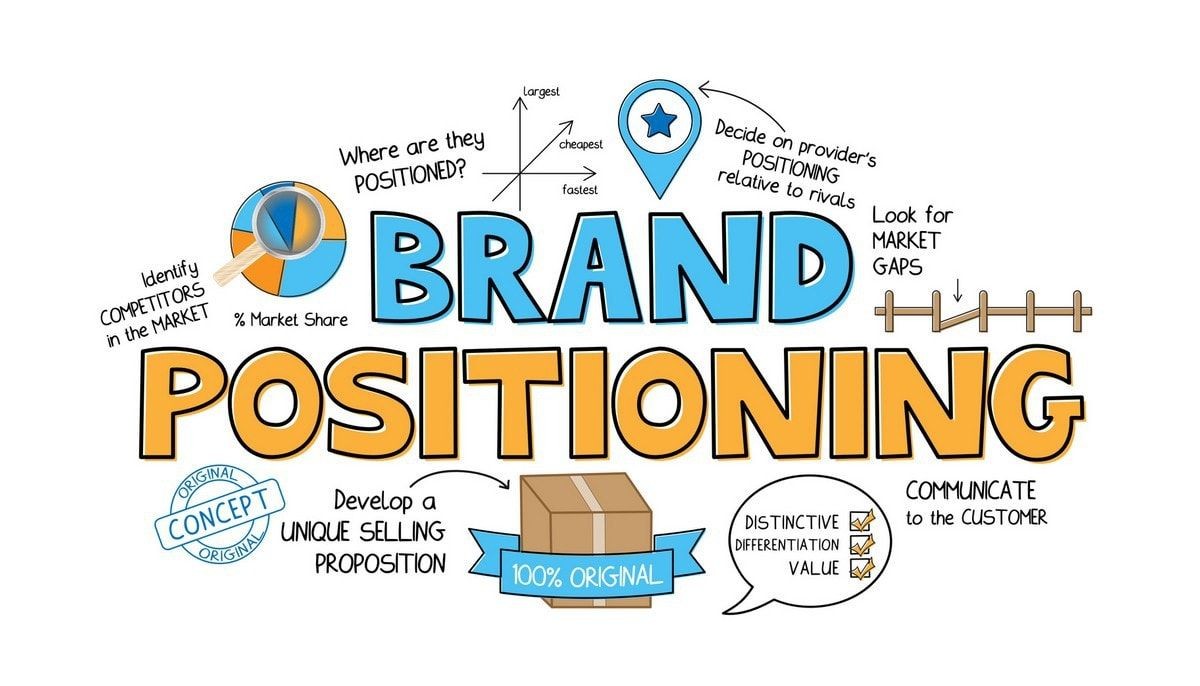
Brand Positioning: Finding Your Unique Place in the Market
Brand Positioning: Finding Your Unique Place in the Market
In the intricate architecture of modern business, brand positioning stands as the cornerstone upon which market distinction, customer loyalty, and enduring value are built. It is the deliberate and strategic process of carving out a unique and desirable space in the collective mind of a target audience. Far more than a mere marketing slogan or visual identity, positioning is the narrative that defines a brand's essence, differentiates it from a sea of competitors, and answers the consumer's most fundamental question: "Why should I choose you?" This strategic imperative guides every facet of a brand's existence, from product development and customer service to its core messaging, ensuring that all actions align to reinforce a single, powerful idea. The success of this endeavor hinges not just on what a company sells, but on the distinct value and emotional resonance it consistently delivers.
A brand's position is ultimately determined by consumer perception, a landscape shaped by a complex interplay of emotions, cognitive biases, and subconscious cues. [1] Understanding this psychological underpinning is crucial for creating a position that genuinely connects. Consumers rarely make decisions based on logic alone; they are driven by how a brand makes them feel and whether it aligns with their personal values and identity. [1][2] This is why storytelling, emotional triggers, and demonstrating shared values are such potent tools in the positioning arsenal. [1][2] Brands like Nike have masterfully transcended the functional purpose of their products, positioning themselves not as sellers of athletic apparel, but as purveyors of motivation and achievement through their iconic "Just Do It" ethos. [3] Similarly, Coca-Cola has embedded itself in the cultural fabric by associating its product with universal feelings of happiness and togetherness. [1][4] This emotional connection fosters a sense of belonging, making consumers feel part of a larger community, which in turn builds profound loyalty. [5] A brand that successfully taps into these psychological drivers—be it through nostalgia, a sense of security, or aspiration—moves beyond a simple transaction to forge a lasting, meaningful relationship with its audience. [2][6]
The foundation of a robust positioning strategy is a rigorous and unflinching analysis of the competitive landscape. [7][8] This process, far from being a simple cataloging of rivals, is a deep strategic dive into their strengths, weaknesses, market perception, and underlying strategies. [7][9] A comprehensive competitor analysis illuminates the "white space" in the market—unmet customer needs or unoccupied perceptual territory that a brand can claim as its own. [8][10] Frameworks like SWOT (Strengths, Weaknesses, Opportunities, Threats) analysis are instrumental in this phase, providing a clear picture of the market dynamics and revealing opportunities for differentiation. [7][8] For instance, in a market where competitors focus on "performance," a brand might find an opening by targeting "safety" or "sustainability." [11][12] This was the path Tesla took, differentiating itself not just as an electric vehicle, but as a symbol of high-performance, luxury, and environmental innovation, thereby creating a new category in the minds of consumers. [13][14] A positioning map can be a powerful visual tool in this process, charting brands against key attributes to visually identify crowded areas and open strategic lanes. [15] Ultimately, this analytical rigor ensures that a brand’s chosen position is not only unique but also defensible and relevant in the context of the existing market. [16]
Once a strategic direction is set, it must be crystallized into a Brand Positioning Statement. This concise, internal document is the brand's north star, an anchor for every subsequent marketing and business decision. [17][18] It is not a public-facing tagline but a strategic blueprint that ensures internal alignment across all departments, from product development to sales. [11][18] A potent statement typically articulates four key elements: the target audience, the frame of reference (or market category), the unique benefit or brand promise, and the reason to believe (the proof that supports the claim). [17][19] For example, a well-defined statement for a brand like Volvo might be: "For safety-conscious families (target), Volvo is the premium automobile (category) that provides the utmost peace of mind (benefit) because of its industry-leading safety innovations and decades of proven performance (reason to believe)." This clarity informs everything from product design choices—prioritizing safety features—to marketing campaigns that resonate with the core audience's deepest needs. [19] Involving stakeholders from across the business in the creation of this statement can uncover valuable perspectives and foster the universal buy-in necessary for its successful implementation. [11]
The final, and perpetual, stage of positioning is the dynamic process of measurement and evolution. A brand's position is not a static monument but a living entity that must adapt to shifting market trends, consumer preferences, and competitive pressures. [20] To manage this, brands must continuously monitor their performance through a variety of key metrics. [21] These include measures of brand awareness (both unaided and aided recall), which gauge how top-of-mind the brand is with consumers. [21][22] Brand perception surveys and social media monitoring provide qualitative insights into how the brand is viewed and discussed. [22][23] Customer loyalty metrics, such as the Net Promoter Score (NPS), customer retention rates, and repeat purchase behavior, offer a clear indication of how deeply the positioning resonates. [21][23] Ultimately, these indicators must be linked to business impact, analyzing their effect on sales, market share, and revenue growth. [21] This ongoing feedback loop allows brands to refine their strategies, ensuring they remain relevant and powerful. The case of Domino's "Pizza Turnaround" campaign is a testament to this, where the company openly acknowledged criticism and completely overhauled its product, leading to a significant sales jump and a revitalized brand perception. [24] This demonstrates that even established brands must be willing to listen, adapt, and sometimes radically reposition to maintain their unique and valued place in the market.