



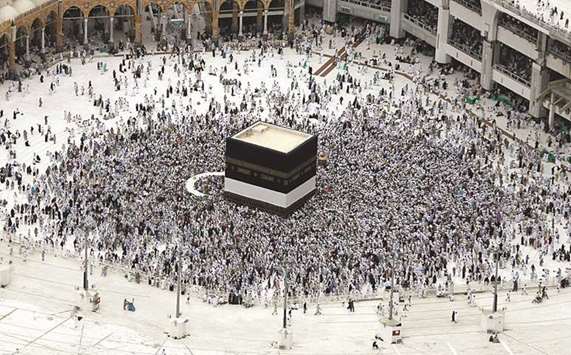
Nullifiers of Tawhid and Shirk (Polytheism) in Its Various Forms (Major, Minor, and Hidden).
The bedrock of Islamic faith, indeed its very essence, is the concept of Tawhid – the absolute oneness and indivisibility of Allah (God) [1][2]. This foundational principle dictates that all worship, devotion, and ultimate reliance must be directed solely towards the Creator, who has no partners, equals, or associates in His divinity, lordship, or attributes [3][4]. To compromise this principle, whether through explicit acts of idolatry or more subtle forms of polytheism, constitutes Shirk – the gravest sin in Islam [3][5]. Understanding the various manifestations of Shirk and the broader nullifiers of Tawhid is not merely an academic exercise; it is a critical safeguard for a believer's spiritual integrity and eternal salvation. This report delves into the intricate nature of Shirk, categorizing it into Major, Minor, and Hidden forms, and explores other actions that can invalidate the core tenet of monotheism, offering factual and in-depth insights into this paramount theological subject.
The Essence of Tawhid: The Unifying PrincipleTawhid, meaning "to unite" or "to make one," is the central and most important concept in Islam, upon which a Muslim's entire religious adherence rests [1]. It unequivocally asserts that God is indivisibly one (Ahad) and single (Wahid), possessing no rivals or peers in any way [1][4]. Islamic scholars categorize Tawhid into three fundamental aspects to fully encompass its meaning. Firstly, Tawhid al-Rububiyah (Oneness of Lordship) affirms that Allah alone is the Creator, Sustainer, Provider, and Controller of all affairs in the universe [6][7]. This means acknowledging that no one else can create, give life or death, or manage the cosmos alongside Him. Secondly, Tawhid al-Uluhiyah (Oneness of Worship) mandates that all acts of worship, devotion, and supplication must be directed exclusively to Allah [6][7]. This includes prayer, fasting, sacrifice, seeking help, and making vows, all of which are solely for Him [8][9]. Finally, Tawhid al-Asma wa al-Sifat (Oneness of Names and Attributes) requires affirming Allah's names and attributes as He has affirmed them for Himself in the Quran and Sunnah, without distortion, denial, or likening them to creation [6][7]. These three pillars collectively form the comprehensive understanding of monotheism in Islam, demanding complete submission and devotion to the One True God.
Major Shirk (Shirk al-Akbar): The Unforgivable TransgressionMajor Shirk (Shirk al-Akbar) represents the most severe form of polytheism and is considered the gravest sin in Islam, one that Allah explicitly states He will not forgive if a person dies without repenting from it [3][5]. This type of Shirk involves associating partners with Allah in aspects that are unique to Him, such as His Lordship, divinity, or divine names and attributes [6][7]. It fundamentally expels an individual from the fold of Islam and nullifies all their good deeds [6][10]. Examples of Major Shirk are numerous and manifest in various forms. Worshiping idols, statues, or any created being alongside or instead of Allah is a clear instance [6][9]. Calling upon the dead, saints, or prophets for help, believing they possess independent power to grant wishes or avert harm, falls under this category, as supplication (Du'a) is an act of worship due only to Allah [6][11]. Practicing magic or fortune-telling, and believing in their power to independently affect outcomes or reveal the unseen, is also a form of Major Shirk, as only Allah knows the unseen and controls destiny [8][11]. Furthermore, sacrificing animals or making vows to anyone other than Allah, or seeking blessings from graves or objects with the belief that they possess inherent power, are explicit acts of Major Shirk [5][6].
Minor Shirk (Shirk al-Asghar): The Subtle Erosion of FaithMinor Shirk (Shirk al-Asghar) refers to actions or beliefs that, while not expelling a person from Islam, are still considered serious sins because they contain elements of polytheism or can lead to Major Shirk [6][12]. It diminishes the completeness of Tawhid and corrupts one's deeds, even if it doesn't entirely nullify them [9]. The Prophet Muhammad (peace be upon him) expressed greater fear of Minor Shirk for his community than even the Dajjal (Antichrist), highlighting its subtle and pervasive nature [10]. A common example of Minor Shirk is swearing by anyone or anything other than Allah [5][13]. While not equating the sworn-by entity with Allah in terms of divinity, it implies a reverence that should be reserved for Allah alone. Superstitions, such as believing in bad omens (e.g., black cats, broken mirrors) or wearing amulets (Ta'weez) for protection or good luck, are also forms of Minor Shirk because they attribute power or influence to created things that Allah has not ordained [5][11]. Linguistic expressions that imply partnership with Allah in His will or power, such as saying "whatever Allah wills and you will," are also considered Minor Shirk. The correct phrasing, as taught by the Prophet, is "whatever Allah wills, then you will," signifying Allah's ultimate decree followed by human agency [6][10]. These seemingly small acts, if not recognized and rectified, can gradually erode one's pure monotheistic belief.
Hidden Shirk (Shirk al-Khafi): The Insidious Internal StruggleHidden Shirk (Shirk al-Khafi) often overlaps with Minor Shirk and is characterized by its subtle, internal nature, residing primarily in one's intentions and inner disposition [3][10]. It is called "hidden" because it may not be apparent to others, or even to the individual themselves, yet it compromises the sincerity of their devotion to Allah. The most prominent example of Hidden Shirk is Riyaa' (showing off) [5][13]. This occurs when a person performs acts of worship or good deeds not purely for the sake of Allah, but to gain praise, recognition, or admiration from others. For instance, prolonging prayers, giving charity, or reciting the Quran beautifully primarily to impress onlookers rather than to seek Allah's pleasure, falls under Riyaa' [5][13]. The Prophet Muhammad (peace be upon him) warned against Riyaa', stating that on the Day of Judgment, Allah will tell those who showed off to seek their reward from those for whom they performed their deeds [3]. Other forms of Hidden Shirk include fearing people more than Allah, loving someone or something more than Allah, or relying on means and causes to the extent that one forgets the ultimate reliance on Allah [12][13]. This insidious form of Shirk requires constant self-reflection and purification of intentions to ensure that all actions are performed with genuine sincerity for Allah alone.
Nullifiers of Tawhid: Safeguarding BeliefBeyond the direct categories of Shirk, there are other actions and beliefs that can nullify one's Tawhid and, consequently, one's Islam. These "Nullifiers of Islam" are serious violations that threaten the very foundation of faith [9][14]. One significant nullifier is mocking or ridiculing any aspect of Islam, its laws, or the Prophet Muhammad (peace be upon him) [9][15]. Such an act demonstrates a profound disrespect and rejection of divine guidance. Similarly, hating or disliking any part of the Prophet's teachings, even if one practices other aspects of the religion, can nullify faith, as it contradicts the love and acceptance required for complete belief [9]. Believing that a way other than the Prophet's path is better or more complete, or that any judgment is superior to his, also undermines the authority of the final messenger and is a nullifier [9]. Furthermore, supporting polytheists or disbelievers against Muslims, especially in religious matters, and assisting them, is considered a nullifier of faith, as loyalty and alliance should be for Allah and His Messenger [9]. Permitting explicitly prohibited actions like usury or alcohol consumption, or altering Allah's rulings to suit personal desires, also falls into this category, as it challenges the sovereignty of divine law [9]. The constant vigilance against these nullifiers is essential for every Muslim to preserve their faith and maintain a pure state of Tawhid.
ConclusionTawhid, the unwavering belief in the absolute oneness of Allah, stands as the central pillar of Islam, demanding complete and sincere devotion. Its preservation is paramount, and its antithesis, Shirk, in all its forms, represents the gravest threat to a believer's faith. Major Shirk, with its overt acts of associating partners with Allah, unequivocally expels one from Islam. Minor Shirk, though not leading to apostasy, erodes the perfection of Tawhid through subtle acts like swearing by creation or believing in superstitions. Hidden Shirk, particularly Riyaa', challenges the sincerity of intentions, corrupting good deeds from within. Beyond these, other nullifiers such as mocking religious tenets or rejecting divine laws underscore the comprehensive nature of safeguarding one's belief. The journey of faith is a continuous struggle against these spiritual pitfalls, requiring profound knowledge, constant self-assessment, and unwavering reliance on Allah. By diligently understanding and actively avoiding these nullifiers, Muslims can strive to maintain the purity of their Tawhid, ensuring their devotion remains exclusively for the One True God, thereby securing their ultimate purpose and salvation.