



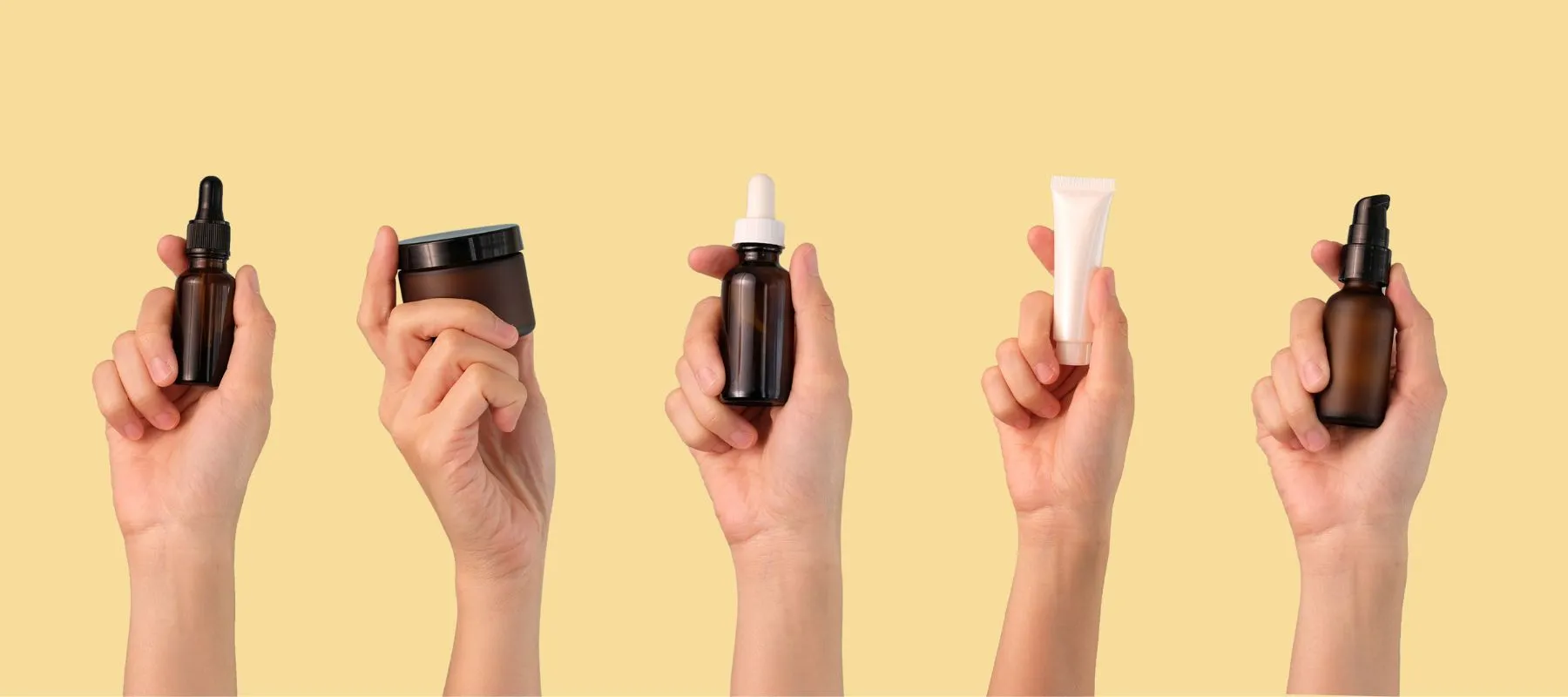
Steps for a Basic Evening Skincare Routine.
The Circadian Imperative: Optimizing the Evening Dermal Restoration Protocol
Introduction: The Biological Shift from Defense to Repair
The necessity of an evening skincare routine is not merely a cosmetic preference but a biological imperative dictated by the body's circadian rhythms. While the skin’s primary function during daylight hours is protection against ultraviolet (UV) radiation, pollution, and oxidative stress, night initiates a critical shift toward regeneration. [1][2] Research indicates that the proliferation of epidermal stem cells and the repair of DNA damage peak during nocturnal hours. Furthermore, skin permeability increases at night, a phenomenon that facilitates the absorption of active ingredients but simultaneously exacerbates Trans-Epidermal Water Loss (TEWL). [2]
An effective evening routine, therefore, is not simply about "cleaning up"; it is a strategic intervention designed to support these physiological processes. [2] By removing the day's accumulation of lipophilic debris and providing the necessary substrates for cellular turnover, we optimize the skin’s natural healing mechanisms. This report outlines a scientifically grounded, multi-step protocol for evening care, moving beyond superficial advice to explore the chemical and biological justifications for each phase. [2]
Step 1: The Chemistry of Purification (The Double Cleanse)
The concept of "double cleansing" is rooted in the chemical principle that "like dissolves like." [3] Modern sunscreens, waterproof makeup, and the skin's own sebum are lipophilic (oil-loving) substances. [2][4] A standard water-based cleanser, which relies on surfactants to lower surface tension, often fails to emulsify these stubborn, oil-based layers effectively. [2] If these barriers remain, they not only clog pores but also occlude the absorption of subsequent treatments. [2]
The first phase requires a lipophilic cleanser—typically an oil or balm. When massaged onto dry skin, the oil in the cleanser binds to the sebum and synthetic polymers in makeup, dissolving them into a suspension. Upon the addition of water, emulsifiers within the product allow this oil-dirt mixture to rinse away cleanly. [3][4] The second phase involves a hydrophilic (water-based) cleanser. [3][4] Now that the surface barrier of grime is removed, this cleanser can penetrate the follicular openings to remove sweat, environmental pollutants, and bacteria. [2] This two-step method ensures a pristine canvas without stripping the acid mantle, a common side effect of over-scrubbing with harsh detergents.
Step 2: Targeted Cellular Modulation (Actives and Serums) [2]
Once the skin is cleansed, the evening routine transitions to cellular modulation. This is the "workhorse" phase, where active ingredients are introduced to influence gene expression and cellular behavior. The gold standard for this step is the retinoid family (Vitamin A derivatives). Retinoids function by binding to nuclear receptors within skin cells, accelerating the turnover of keratinocytes and stimulating fibroblasts to produce collagen. This process effectively reverses signs of photoaging and clears acne impactions.
However, the application of such potent actives requires precision. [2] Retinoids should be applied to completely dry skin to modulate penetration and reduce irritation. For those targeting texture or hyperpigmentation, alpha-hydroxy acids (AHAs) like glycolic or lactic acid may be used as an alternative (though rarely on the same night as retinoids). [2] These acids work by dissolving the ionic bonds that hold dead skin cells together, promoting desquamation (shedding). [2] The key is consistency and moderation; over-use of these actives can compromise the lipid barrier, leading to chronic inflammation—a condition known as the "retinoid uglies" in its early stages.
Step 3: Barrier Restoration and Occlusion (Moisturizing) [2]
The final and perhaps most critical step is the restoration of the barrier function. As mentioned, the skin's permeability increases at night, leading to higher rates of moisture loss. [2] To counteract this, a moisturizer must provide three components: humectants (like glycerin or hyaluronic acid) to draw water into the skin; emollients (like ceramides and fatty acids) to smooth the surface cells; and occlusives (like petrolatum or silicones) to physically seal that moisture in.
The stratum corneum (the outermost layer of skin) is often described as a "brick and mortar" structure, where cells are the bricks and lipids are the mortar. [5] An effective evening moisturizer replenishes this "mortar," specifically utilizing ceramides, cholesterol, and fatty acids. [2] Without this step, the expensive serums applied previously may evaporate before achieving their target efficacy. [2] For those with particularly dry skin, applying a facial oil as the very last step creates a hydrophobic shield, ensuring that the hydration remains locked within the epidermis throughout the night.
Step 4: The Eye Area and Final Adjustments (Anatomy-Specific Care)
The periorbital area (skin around the eyes) presents a unique challenge. It is the thinnest skin on the body, lacking the robust sebaceous glands found elsewhere, making it the first area to exhibit signs of dehydration and aging. While some argue that facial moisturizers suffice, dedicated eye creams are formulated to be less migrating, preventing the product from seeping into the eye and causing irritation.
Application technique is paramount here. The mechanical stress of rubbing can damage the delicate elastin fibers in this area. Therefore, products should be tapped gently along the orbital bone using the ring finger—the digit with the least muscle strength—to minimize physical trauma. This step is not merely about hydration but about preserving the structural integrity of the most fragile facial tissue.
Conclusion
A basic evening skincare routine is a discipline of restoration. It respects the skin's biological clock, moving from the removal of environmental stressors (cleansing) to the stimulation of repair (actives) and finally to the preservation of integrity (moisturizing). By understanding the underlying science—emulsification, cell turnover, and barrier function—one can construct a routine that is not just a habit, but a powerful tool for long-term dermatological health. [2] Consistency in this protocol yields results far superior to sporadic, high-intensity treatments, proving that in skincare, the daily accumulation of small, correct actions is the true secret to efficacy. [2]