



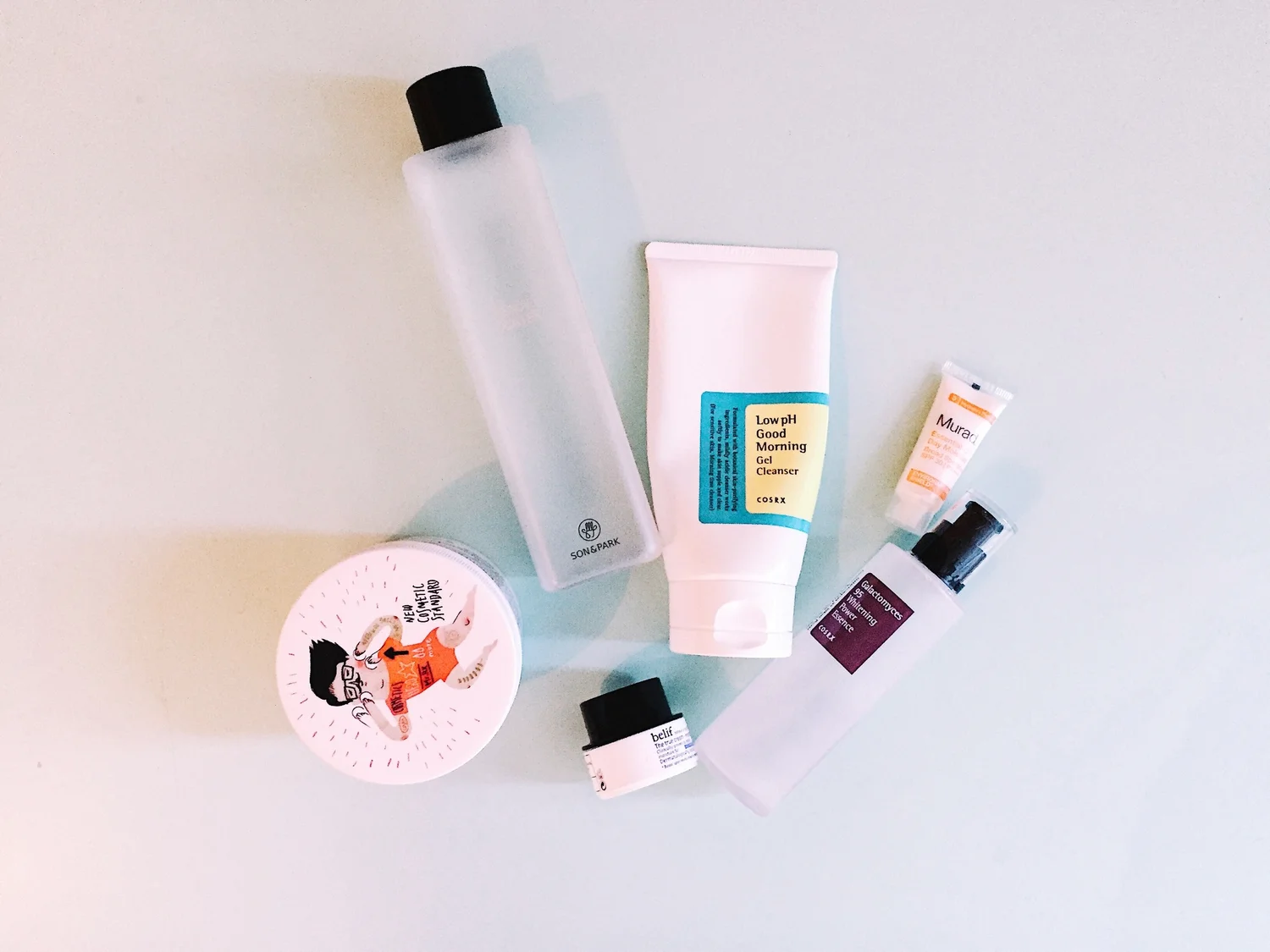
Steps for a Basic Morning Skincare Routine.
The Strategic Implementation of Diurnal Dermatological Defense
Introduction: The Chronobiological Imperative
In the realm of modern dermatological science, the morning skincare routine is far removed from mere vanity; it is a biological necessity dictated by the body’s circadian rhythms. [1] Human skin is a time-dependent organ that operates on a strict 24-hour cycle. [2] While the nocturnal phase is dedicated to cellular mitosis and DNA repair, the diurnal (daytime) phase is physiologically wired for defense. Upon waking, the skin prepares to confront the "exposome"—a cumulative measure of environmental influences including ultraviolet (UV) radiation, pollution, cigarette smoke, and temperature fluctuations. [3] Therefore, a morning skincare regimen must be conceptualized not as a beauty ritual, but as a strategic deployment of chemical and physical barriers designed to preserve the integrity of the stratum corneum. The objective is to minimize oxidative stress and inflammation, the two primary drivers of extrinsic aging. A scientifically sound routine prioritizes protection over correction, utilizing a sequence of application based on molecular weight and viscosity to ensure maximum efficacy. [3] This report outlines the four non-negotiable pillars of a functional morning routine: microbiome-conscious cleansing, antioxidant neutralization, barrier reinforcement, and broad-spectrum photoprotection. [3]
Phase I: Microbiome Preservation and Surface Preparation [2]
The initial step of cleansing serves a specific physiological function: the removal of metabolic waste without the disruption of the acid mantle. [2] During sleep, the skin acts as an excretory organ, releasing toxins through sweat and accumulating sebum (oil) and dead keratinocytes. [3] However, a common error in consumer behavior is the use of high-alkaline, foaming surfactants that strip the skin of its natural lipids. The skin’s surface maintains a slightly acidic pH of approximately 4.5 to 5.5, a range essential for the survival of the resident microbiome—the beneficial bacteria that protect against pathogens. Disrupting this pH balance with harsh cleansers can lead to "alkaline shock," resulting in dryness, irritation, and a compromised barrier function. [3]
For the majority of skin phenotypes, a gentle, non-foaming cleanser is the optimal choice. It emulsifies surface debris while leaving the intercellular lipids intact. [2] There is growing clinical support for a "water-only" rinse for patients with atopic dermatitis or extreme xerosis (dryness), as this preserves the natural moisturizing factors produced overnight. [3] Conversely, individuals with oleaginous (oily) or acne-prone skin benefit from cleansers containing salicylic acid. [3] This beta-hydroxy acid is lipophilic, meaning it is attracted to oil; it penetrates deep into the pore lining to dissolve sebum plugs before they oxidize into blackheads. The goal of the morning cleanse is to create a clean, neutral canvas that is receptive to active ingredients, rather than a sterile surface devoid of biological life.
Phase II: The Antioxidant Shield and Oxidative Stress Management [2]
Once the skin is cleansed, the immediate priority is to counteract the formation of Reactive Oxygen Species (ROS). Environmental stressors, particularly UV rays and urban pollution, trigger the production of free radicals—unstable molecules with unpaired electrons. [3] These molecules seek to stabilize themselves by stealing electrons from healthy skin cells, a process known as oxidation. [3] This oxidative stress degrades collagen, damages DNA, and leads to hyperpigmentation. [3] To mitigate this, the application of a topical antioxidant is critical. [3][4] The most researched and efficacious agent in this category is L-ascorbic acid (Vitamin C). [2]
When applied in the morning, Vitamin C functions as a sacrificial substrate; it donates electrons to free radicals, neutralizing them before they can damage cellular structures. [3] Clinical data suggests that while sunscreen blocks a significant portion of UV rays, it does not block them all. [3] The addition of a Vitamin C serum can reduce UV-related damage significantly, acting as a second line of defense. For maximum efficacy, Vitamin C is often formulated with Vitamin E (tocopherol) and Ferulic Acid, which stabilize the molecule and lower the pH to ensure penetration. [3] For those with sensitive skin who cannot tolerate the low pH of L-ascorbic acid, Niacinamide (Vitamin B3) serves as a robust alternative. [3] It not only offers antioxidant protection but also strengthens the barrier and regulates sebum production. [2] This step effectively transforms the skin from a passive target into an active defense system.
Phase III: Barrier Fortification and Hydro-Lipidic Balance [2]
Following the absorption of active treatments, the skin requires the restoration of its hydro-lipidic interface through moisturization. The stratum corneum can be visualized as a brick wall, where cells are the bricks and the lipid matrix (ceramides, cholesterol, and fatty acids) is the mortar. [3][5] Environmental exposure and the natural aging process deplete this mortar, leading to Transepidermal Water Loss (TEWL)—the evaporation of hydration from the deep dermis into the atmosphere. A scientifically formulated moisturizer artificially replenishes this barrier, preventing the skin from becoming brittle and reactive. [3]
An effective moisturizer must balance three classes of ingredients: humectants, emollients, and occlusives. [3] Humectants, such as Hyaluronic Acid or Glycerin, are hygroscopic, drawing water from the environment into the skin cells. [3] However, without a seal, this water can evaporate. [3] Emollients, such as squalane or plant oils, fill the gaps between skin cells to smooth the texture. [3] Occlusives, such as dimethicone or petrolatum, form a hydrophobic film over the surface to lock moisture in. [3] Even oily skin types require hydration; when the skin detects dehydration, it often overcompensates by producing excess oil, creating a cycle of congestion. [3] The application of moisturizer should occur while the skin is still slightly damp from the previous steps, trapping moisture and ensuring the skin maintains its turgor and elasticity throughout the day.
Phase IV: The Absolute Necessity of Photoprotection [2]
The final and most critical step in any morning routine is the application of broad-spectrum sunscreen. [2] Dermatological consensus attributes approximately 90% of visible skin aging—wrinkles, laxity, and dyschromia—to photoaging caused by sun exposure. [3] It is imperative to distinguish between UVB rays, which cause superficial burning, and UVA rays, which penetrate deep into the dermis to destroy collagen and elastin fibers. [3] UVA rays are present with relatively equal intensity during all daylight hours and can penetrate glass and clouds, making protection necessary regardless of weather or indoor status. [3]
A "Broad Spectrum" designation ensures protection against both wavelengths. [2][3] The efficacy of sunscreen is heavily dependent on the volume applied. [2] The standard for testing Sun Protection Factor (SPF) is 2 milligrams of product per square centimeter of skin. [6][7] In real-world scenarios, most consumers apply less than half this amount, drastically reducing the effective SPF. [3] To achieve the labeled protection, one must apply approximately a nickel-sized amount to the face alone. Modern formulations offer a choice between chemical filters, which absorb UV energy and convert it to heat, and physical (mineral) filters like Zinc Oxide, which reflect UV light. [3] Regardless of the type chosen, this step is the insurance policy for the skin; without it, the benefits of the previous cleansing, treating, and moisturizing steps are negated by the destructive power of solar radiation.