



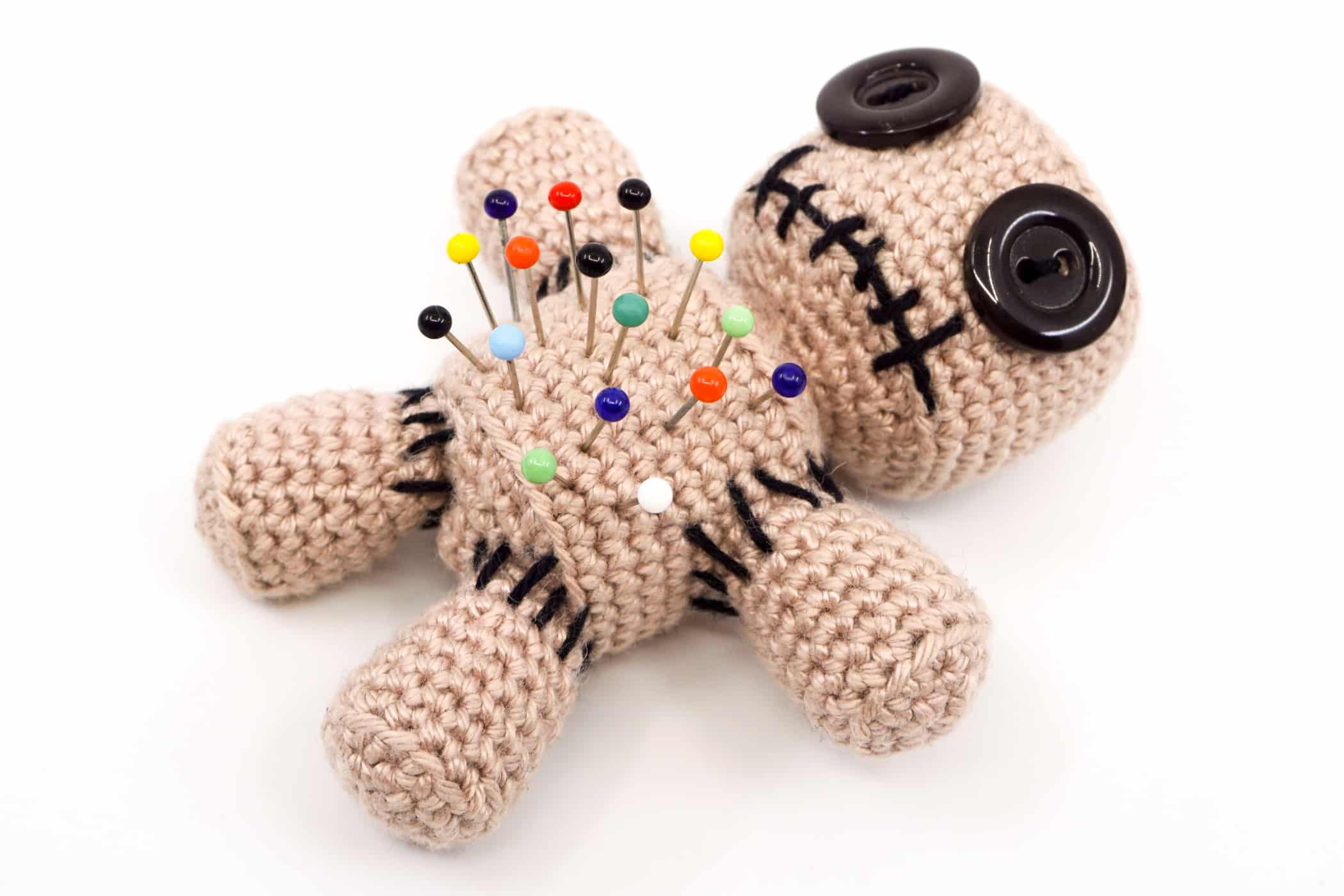
The Art of Amigurumi: Making Stuffed Crochet Dolls.
Historical Foundations and Cultural Evolution
The term "amigurumi" is a linguistic portmanteau of the Japanese words ami (crocheted or knitted) and nuigurumi (stuffed doll). [1][3] While the practice of creating small, three-dimensional fiber figures has existed in various cultures for centuries, the specific aesthetic and technical movement known as amigurumi is a product of 20th-century Japan. [3][4] Its roots are often traced back to the Meiji era (1868–1912), when Western needlework was introduced to Japan as part of a broader modernization effort. However, the craft truly crystallized in the post-World War II era, coinciding with the rise of the kawaii (cuteness) culture in the 1970s. [1]
The global explosion of amigurumi began in the early 2000s, fueled by the advent of online craft marketplaces like Etsy and the viral nature of social media. [1] Unlike traditional Western doll-making, which often prioritized realism, amigurumi emphasizes anthropomorphism and exaggerated features—typically oversized heads, small bodies, and wide-set eyes—to evoke an emotional response. This aesthetic is deeply rooted in the Japanese concept of tsurushibina, a tradition of hanging handmade dolls to ward off evil spirits and bring good luck. [1][4] Today, amigurumi has transitioned from a niche hobby to a global artistic phenomenon, bridging the gap between traditional folk art and modern pop culture. [3]
Technical Precision and Material ScienceThe construction of amigurumi is a rigorous exercise in geometric modeling. [1][2] Unlike flat crochet projects, such as blankets or scarves, amigurumi is worked "in the round" to create seamless three-dimensional volumes. The primary stitch used is the single crochet (US terminology) or double crochet (UK terminology). [1][5] The structural integrity of the doll depends on "stitch density," achieved by using a crochet hook significantly smaller than what is recommended on the yarn label—typically ranging from 2.0mm to 3.5mm. [1] This ensures the fabric is tight enough to prevent the internal stuffing from showing through or escaping. [1]
Material selection is equally critical to the final outcome. [1][6] Professional amigurumi artists prioritize 100% mercerized cotton or high-quality acrylic blends. [1] Cotton is favored for its stitch definition and lack of "halo" (fuzziness), which allows the intricate details of the doll to remain sharp. [1] In recent years, "chenille" or "plush" yarns have gained popularity for creating larger, soft-textured toys, though they require advanced tension control due to their slippery nature. Internally, high-loft polyester fiberfill is the standard stuffing material, often supplemented with plastic pellets or wire armatures to provide weight and poseability. The inclusion of "safety eyes"—plastic washers that lock into place—is a hallmark of the craft, ensuring the dolls are durable and safe for handling. [1]
Psychological and Therapeutic ImplicationsBeyond its aesthetic value, amigurumi serves as a potent tool for mental well-being. [7][8] The rhythmic, repetitive nature of the craft induces a state of "flow," a psychological phenomenon where an individual becomes fully immersed in an activity, leading to reduced cortisol levels and increased serotonin production. A study published in the British Journal of Occupational Therapy found that 81% of respondents felt happier and more relaxed after crocheting. [1][9] The cognitive demands of amigurumi—counting stitches, following complex patterns, and spatial reasoning—act as a form of "brain training," which research from the Mayo Clinic suggests can reduce the risk of cognitive decline in older adults by up to 50%. [9]
Furthermore, amigurumi possesses a unique "companionship" quality. In Japanese culture, amigurumi are often viewed as more than mere objects; they are seen as protectors or "imaginary friends" that provide comfort. This emotional resonance is particularly evident in "comfort dolls" used in clinical settings to help children or elderly patients manage anxiety and trauma. [2] The act of creating a character from a single strand of yarn provides a profound sense of agency and accomplishment, offering a tangible "dopamine hit" that counteracts the fleeting nature of digital interactions. [1]
Economic Impact and the Modern MarketThe commercial landscape of amigurumi has evolved into a multi-billion dollar sector within the global craft industry. [1] The knitting and crochet market is projected to grow by over $10 billion by 2028, with amigurumi being a primary driver of this expansion. The economic model of amigurumi is bifurcated: the sale of finished physical products and the sale of digital intellectual property (patterns). [1][2] Digital patterns have revolutionized the industry, allowing designers to monetize their creativity globally with zero overhead for shipping or inventory.
On platforms like Etsy and Ravelry, top-tier amigurumi designers can generate significant revenue by selling "PDF patterns" to a global audience of hobbyists. Simultaneously, the demand for finished, high-quality handmade dolls remains strong among collectors who value the "slow fashion" movement and artisanal craftsmanship. The rise of "micro-entrepreneurship" in the fiber arts has empowered thousands of individuals—predominantly women—to build sustainable businesses from home. [1] This economic shift is supported by a robust ecosystem of yarn manufacturers, tool designers, and online communities that facilitate the exchange of techniques and market trends, proving that amigurumi is not just a pastime, but a viable pillar of the modern creative economy.