



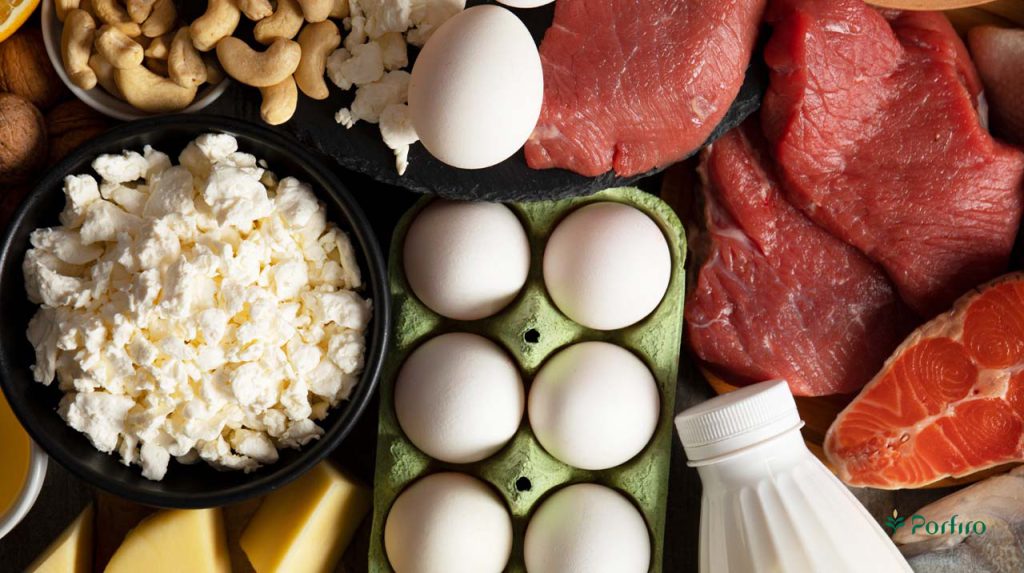
The Importance of Proteins for the Body and Their Diverse Sources.
The Molecular Machinery of Life: A Comprehensive Analysis of Protein Function and Sourcing
The Structural and Enzymatic Foundation of Human Biology
To understand protein is to understand the fundamental architecture of human life. [1][2] Unlike carbohydrates and lipids, which primarily serve as energy reservoirs, proteins are the functional machinery of the cell. [3] They are the only macronutrient containing nitrogen, an element indispensable for cellular reproduction and genetic expression. The human body is comprised of approximately 100,000 different proteins, each constructed from a specific sequence of 20 amino acids. [4] While the body can synthesize 11 of these (non-essential), nine are "essential" and must be acquired through dietary intake. The complexity of protein lies not just in its chemical composition but in its structural folding; a protein’s function is dictated by its three-dimensional shape. [1][3] If this shape is altered—denatured—by heat or pH changes, the protein ceases to function.
The most critical, yet often overlooked, role of protein is enzymatic regulation. Enzymes are specialized proteins that act as biological catalysts, accelerating chemical reactions that would otherwise occur too slowly to sustain life. [5][6] For instance, the enzyme pepsin is required to break down food in the stomach, while DNA polymerase is essential for replicating genetic material during cell division. Without these protein catalysts, metabolic processes such as respiration, digestion, and nerve impulse transmission would halt. Furthermore, structural proteins provide the body's scaffolding. Collagen, the most abundant protein in mammals, forms a triple-helix structure that provides tensile strength to skin, bones, and connective tissue. A deficiency in protein synthesis at this level does not merely result in muscle loss; it compromises the structural integrity of the skeletal system and the efficiency of every metabolic reaction in the human body. [1]
Systemic Homeostasis: Immunology, Endocrinology, and Fluid Dynamics
Beyond structure, proteins are the primary agents of homeostasis—the body's ability to maintain a stable internal environment. [7] This is most evident in the immune system, where proteins function as the first line of defense against pathology. Antibodies, or immunoglobulins, are Y-shaped proteins that identify and neutralize foreign objects like bacteria and viruses. In cases of severe protein-energy malnutrition, the body prioritizes vital organ function over immune defense, leading to a condition known as secondary immunodeficiency. This explains why populations suffering from famine often succumb to infectious diseases like measles or pneumonia rather than starvation itself; their bodies lack the amino acids necessary to synthesize the antibodies required to fight infection. [1][2]
Furthermore, proteins are the custodians of fluid balance within the circulatory system. [7] Albumin and globulin, proteins found in blood plasma, exert colloidal osmotic pressure, which pulls water into the circulatory system. If protein intake is insufficient, albumin levels drop, and the pressure gradient collapses. This causes fluid to leak from the blood vessels into the surrounding tissues, resulting in edema—severe swelling often seen in the distended abdomens of children suffering from Kwashiorkor. Additionally, the endocrine system relies heavily on peptide hormones. Insulin, a small protein hormone, regulates glucose metabolism. [5] Growth hormone (GH) and Glucagon are also peptide-based. [1][2] Therefore, protein intake is not merely about hypertrophy (muscle growth); it is about ensuring the precise signaling required to regulate blood sugar, mood, and growth. A disruption in protein supply is a disruption in the body’s internal communication network. [1][2]
The Bioavailability Spectrum: Assessing Quality and Diverse Sources
Not all proteins are created equal, and the "quality" of a protein source is determined by its amino acid profile and its bioavailability—the rate at which the body can digest and absorb it. The scientific standard for measuring this is the Protein Digestibility Corrected Amino Acid Score (PDCAAS), and more recently, the Digestible Indispensable Amino Acid Score (DIAAS). [8] Animal-based proteins such as eggs, dairy (whey and casein), and lean meats generally hold the highest scores because they are "complete" proteins, containing all nine essential amino acids in ratios that mirror human requirements. For example, whey protein is rapidly absorbed and rich in leucine, the primary amino acid responsible for triggering the mTOR pathway, which initiates muscle protein synthesis. This makes it uniquely effective for post-trauma recovery or athletic conditioning. [1][2]
However, plant-based proteins offer a different, yet vital, value proposition. While many plant sources like lentils, beans, and nuts are "incomplete" (often lacking methionine or lysine), they come packaged with phytonutrients, fiber, and antioxidants that animal sources lack. The concept of "complementary proteins" allows vegetarians to achieve a complete amino acid profile by combining sources—such as rice and beans—over the course of a day. [1] It is a myth that these must be eaten at the same meal; the body maintains a temporary pool of amino acids. [1][2] Moreover, relying solely on animal protein, particularly processed meats, has been epidemiologically linked to higher risks of cardiovascular disease due to associated saturated fats and sodium. Conversely, replacing animal protein with plant protein has been shown to reduce low-density lipoprotein (LDL) cholesterol and lower blood pressure. Therefore, the most intelligent nutritional strategy is diversification: utilizing high-bioavailability animal proteins for anabolic efficiency while integrating plant proteins for cardiovascular protection and gut health.
Clinical Implications: Sarcopenia, Aging, and the Nitrogen Balance
The requirement for protein is dynamic, shifting dramatically throughout the human lifecycle. While the standard Recommended Dietary Allowance (RDA) is set at 0.8 grams per kilogram of body weight, this figure represents the minimum to prevent deficiency, not the optimal level for health or longevity. As the body ages, it develops "anabolic resistance," meaning it becomes less efficient at converting dietary protein into muscle tissue. This leads to sarcopenia, the age-related loss of muscle mass and function, which is a primary predictor of falls, fractures, and mortality in the elderly. To counteract this, current geriatric research suggests that older adults require significantly higher protein intakes (1.2 to 1.5 g/kg) to maintain muscle mass compared to younger adults. [1]
Furthermore, protein plays a critical role in weight management through the Thermic Effect of Food (TEF). [9][10] The body expends more energy digesting protein (20-30% of calories burned) than it does digesting carbohydrates or fats (5-10%). [1][9] This metabolic "cost," combined with protein's ability to induce satiety by suppressing the hunger hormone ghrelin, makes it a powerful tool in combating obesity. [9] However, clinical caution is required. [2] In patients with pre-existing chronic kidney disease (CKD), excessive protein intake can accelerate renal failure by increasing the glomerular filtration load as the kidneys struggle to clear nitrogenous waste (urea). Thus, protein intake must be personalized. [2] The goal is to achieve a positive nitrogen balance—where nitrogen intake exceeds excretion—signaling an anabolic state of repair and growth, rather than a catabolic state of tissue breakdown.