



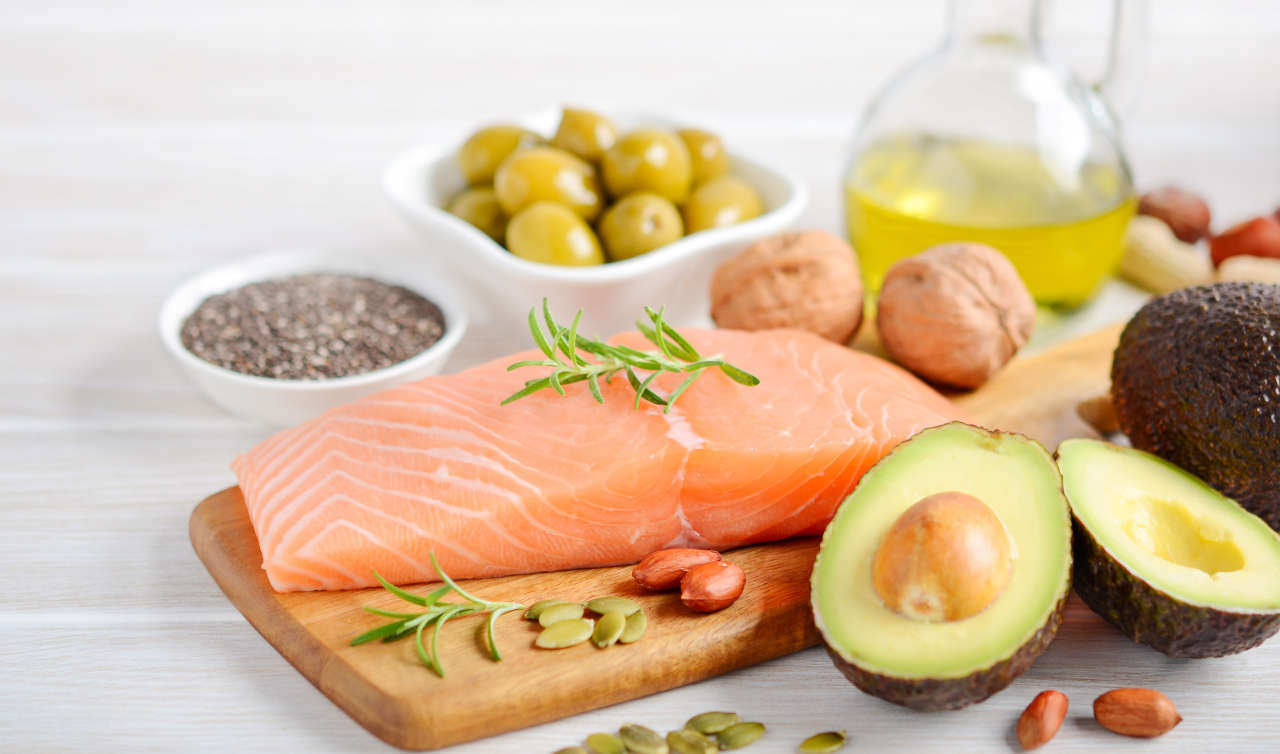
Types of Fats: Your Guide to Distinguishing Between Healthy and Harmful Fats.
Types of Fats: Your Guide to Distinguishing Between Healthy and Harmful Fats
The Biochemical Landscape: Beyond Calories
For decades, the narrative surrounding dietary fat was dominated by a simplistic and often misleading fear: that eating fat makes you fat. [1] This reductionist view ignored the profound biological reality that lipids are not merely sources of caloric energy but are the very architects of human physiology. [1] Every cell membrane in the human body is a lipid bilayer, a fluid mosaic that relies on specific fatty acids to maintain structural integrity, facilitate cellular communication, and regulate inflammation. [1] To treat all fats as equal is a scientific error of the highest order. A sophisticated understanding of nutrition requires us to distinguish between fats that nourish the brain and stabilize the heart, and those that act as slow-acting toxins within our vascular systems. [1]
The distinction lies in molecular geometry. At a chemical level, the difference between a life-saving nutrient and a heart-clogging agent is often a matter of hydrogen atoms and double bonds. [1] Healthy fats, such as those found in avocados and wild salmon, possess a chemical structure that maintains fluidity at body temperature, allowing cell receptors to function optimally. [1] In contrast, harmful fats often possess rigid, unnatural structures that the body struggles to metabolize, leading to systemic inflammation and arterial plaque. [1] Understanding this biochemical landscape is the first step toward a humane and powerful approach to diet—one that views food not as a potential enemy, but as the fundamental fuel for a high-performing mind and body. [1]
The Villains: Industrial Trans Fats and the Nuance of Saturation [1]
The most unequivocal villain in the dietary world is the industrial trans fat. Unlike naturally occurring fats, artificial trans fats are created through hydrogenation, a process that blasts hydrogen into vegetable oils to turn them solid at room temperature. [1][2] This creates a molecular misfit—a rigid fat that the body cannot properly utilize. When ingested, trans fats act like sludge in the biological machinery. [1] They aggressively raise Low-Density Lipoprotein (LDL) cholesterol while simultaneously depressing High-Density Lipoprotein (HDL), the "good" cholesterol that clears arteries. [1] The damage extends beyond cholesterol; trans fats trigger systemic inflammation and endothelial dysfunction, stripping the blood vessels of their elasticity. [1] Despite bans in many nations, these fats linger in processed foods, hidden in "partially hydrogenated oils" used to extend the shelf life of crackers, pastries, and fried fast foods. [1]
Saturated fats, however, occupy a more complex middle ground. [1] Found in red meat, butter, and tropical oils like coconut, saturated fats are solid at room temperature due to their straight molecular chains which pack tightly together. [1] While the 2025-2030 Dietary Guidelines for Americans continue to recommend limiting saturated fat intake to under 10% of daily calories to manage cardiovascular risk, modern research suggests the source matters immensely. [1] The saturated fat in a fermented yogurt matrix acts differently in the body than the saturated fat in processed luncheon meat. While excessive intake can drive up LDL cholesterol, leading to arterial rigidity, they are not the metabolic poison that trans fats are. [1] The intelligent approach is moderation and quality: prioritizing saturated fats from nutrient-dense, unprocessed sources while rigorously eliminating industrial trans fats entirely. [1]
The Heroes: Monounsaturated and Polyunsaturated Fats [3][4]
If trans fats are the destroyers of vascular health, unsaturated fats are the protectors. [1] Monounsaturated fats (MUFAs), the cornerstone of the celebrated Mediterranean diet, are chemically defined by a single double bond in their fatty acid chain. [1] This "kink" in the chain prevents the molecules from packing tightly, keeping them liquid at room temperature. [1][5] Olive oil, the most prominent source of oleic acid (a primary MUFA), has been shown to reduce blood pressure and prevent the oxidation of LDL cholesterol—a critical step in the development of heart disease. [1] These fats do not just passively exist; they actively improve insulin sensitivity, making them a powerful ally against type 2 diabetes. [1] Avocados and nuts like almonds and pecans are not just "fatty" foods; they are delivery systems for these cardioprotective compounds.
Polyunsaturated fats (PUFAs) are equally vital but biologically distinct. [1] These fats, which include Omega-3 and Omega-6 fatty acids, contain multiple double bonds and are "essential," meaning the human body cannot synthesize them; they must be harvested from the diet. [1][6] PUFAs are critical for neurogenesis and the maintenance of the central nervous system. [1] The brain is approximately 60% fat, and it relies heavily on these fatty acids to form the myelin sheaths that insulate neurons and speed up electrical signals. [1] A deficiency in these healthy fats is not just a metabolic issue but a cognitive one, linked to poor memory, mood disorders, and cognitive decline. [1] By replacing saturated fats with these fluid, dynamic lipids, we literally build a more resilient brain and a more responsive cardiovascular system. [1]
The Critical Balance: The Omega-3 vs. Omega-6 War
The most sophisticated frontier in lipid science is not just about eating "healthy fats," but about achieving the correct stoichiometry—the balance between Omega-3 and Omega-6 fatty acids. [1] Both are polyunsaturated, but they often have opposing effects within the body's inflammatory pathways. [1][6] Omega-6 fatty acids, found abundantly in industrial vegetable oils like soybean, corn, and sunflower oil, are precursors to pro-inflammatory signaling molecules called eicosanoids. [1] While acute inflammation is a necessary immune response to injury, chronic, low-grade inflammation is the root of most modern diseases. [1] Omega-3 fatty acids, found in fatty fish (salmon, mackerel, sardines), flaxseeds, and walnuts, are anti-inflammatory. [1] They compete for the same enzymes as Omega-6s, effectively putting the brakes on runaway inflammation.
Anthropological evidence suggests that human beings evolved on a diet where the ratio of Omega-6 to Omega-3 was roughly 1: [7][8]1. Today, due to the ubiquity of cheap seed oils in processed foods, the average Western diet has a ratio closer to 16:1 or even 20: [1]1. This biochemical imbalance creates a "pro-inflammatory state," where the body is constantly primed for swelling and immune overreaction. [1] Correcting this does not necessarily mean eliminating Omega-6s entirely, as they are still essential, but rather drastically reducing the intake of processed seed oils while aggressively increasing the intake of Omega-3s. [1] This involves a conscious shift: choosing pasture-raised eggs over conventional ones (which are higher in Omega-6 due to grain feed) and supplementing with high-quality fish oil or algae oil. [1] Restoring this ratio is perhaps the single most effective dietary intervention for reducing the risk of chronic autoimmune and cardiovascular conditions. [1]
References
- Dietary Guidelines for Americans, 2025-2030. U.S. Department of Agriculture and U.S. Department of Health and Human Services. [1]
- Mozaffarian, D. (2016). [1] Dietary and Policy Priorities for Cardiovascular Disease, Diabetes, and Obesity. [1][9] Circulation, 133(2), 187-225. [1]
- Simopoulos, A. P. (2008). [1][10] The importance of the omega-6/omega-3 fatty acid ratio in cardiovascular disease and other chronic diseases. [7][10] Experimental Biology and Medicine, 233(6), 674-688. [1]
- Sacks, F. M., et al. (2017). [1] Dietary Fats and Cardiovascular Disease: A Presidential Advisory From the American Heart Association. [2] Circulation, 136(3), e1-e23. [1]
- Estruch, R., et al. (2018). [1] Primary Prevention of Cardiovascular Disease with a Mediterranean Diet Supplemented with Extra-Virgin Olive Oil or Nuts. The New England Journal of Medicine, 378, e34. [1]